
How to Make Mimosa Ayahuasca Tea? Best 2 Simple mimosa source Recipes
There are different types of recipes used in different regions of South America, and even some that are used un-traditionally. We’re going to go over top 2 today.
1. Mimosa Hostilis and Banisteriopsis Caapi Recipe
Mimosa (Mimosa Hostilis): A traditional entheogen, un-traditionally used in Ayahuasca brews for its nn-dmt.
Mimosa have to be be brewed separately from the Caapi vine. It can be prepared in identical manner to the Caapi vine, only in a separate pot. After Mimosa decanted for 24 hours, a dark sludge should fall out; the sludge is responsible for most of the ill feelings and bad experiences related to Mimosa. Decant, filter through pantyhose/cheesecloth, and pour into a sterilized jar. Do not drink the sludge.
Potent and well-prepared MHRB is extremely unforgiving when it comes to dosing improperly. Very little goes a long way. Less is more, and too much light will bring panic.
The spirit of Mimosa is extremely vocal about global justice issues. Lots of blues, greens, and reds, in color. No “rainforest presence,” as with leaves and vine. When approached in appropriate doses, great mysteries of body, birth, and being are readily explored. Those familiar with jungle spice will find themselves very close to home.
Click here on 11 reasons you should take mimosasource…
We will be using Mimosa Hostilis Root Bark(Powdered) and Banisteriopsis Caapi(Resin).
For best practice please watch the video and read below. Check with your countries law if mixture if prohibited.
Materials you will need:
- 3-4 Pots
- Measuring cup
- vinegar
- mimosa
- b. caapi
- A whole lot of time ( 5-10 hours)
Too complicated? Click here for mimosasource kit you can make in 10 minutes
The amount we will be using as an example. You need to do simple math to find out the ratio for your recipe by using the ingredients below:
- vinegar (60mL x 3) = 180mL in total
- mimosa root bark or shredded= 160 grams
- banisteriopsis caapi resin= 150 grams of
- water (3L x 3) = 9 Liter total
- A whole lot of time
Make ayahuasca tea step by step below:
- Put 3 liter of water in a pot. Let the water cook to 80% before boiling. Then turn it down to medium heat.
- Put 60 ml vinegar apple or a white vinegar one (better if organic), but regular vinegar works just as good.

- Put the plant material mimosa hostilis inside the water.
- Mix all vinegar, mimosa, and water. Stir. Make sure that it is NOT boiling. You want it warm/hot. Cook it for 3 hours.
- Turn off the stove, and let it get a little bit cooler and then filter all the liquid. Use coffee filter/hand towel. Press the materials till you can’t get any more liquid out.
- Put the liquid and the left-over mimosa in different pots. Save both of them. Leave the liquid on the side(we need it) I want to point out that you will not have 3L of mimosa as some of the water is evaporated. this is okay, we will be making it concentrated later anyways.
- Take the leftover mimosa from the blanket/filter. Put it again in 3 liters water and put 60 mL of vinegar. Basically, doing step 1 – 6 again.
- Repeat step 7.
- Put all 3 pots of mimosa liquid together. Now you can throw away the solid shredded mimosa or any plant matter.

- Cook it till you have around 1.5 liters. Slow cooking it to make it more concentrated.
- Take the 1.5 Liter and put it in the fridge to let it cool down overnight.
- Next day filter again the liquid and put the residual materials in the trash, and warm the liquid again on the stove.
- Put in 150 grams of resin. Stir and mix it for 15-30 minutes or until it completely dissolves.

- You should have around 1 liter left
This is the most common ayahuasca recipe. However there are other recipes using different ingredients such as syrian rue or psychotria viridis.
Which is the best recipe to prepare for ayahuasca tea?
Mimosa Hostilis and B. Caapi is indeed popular in Western culture. But I think Chacruna and B. Caapi is up there as well. Check out here for instant ayahuasca paste.
2. Psychotria Viridis(Chacruna) and Banisteriopsis Caapi Recipe
This recipe was probably developed in Ecuador and Northern Peru. Contains nn-dmt.
Traditionally, the vine and Chacruna are placed into a pot, in alternating layers. Normally, the ratio of Caapi vine:Chacruna is 1:1. Chacruna is a powerful catalyst of transformation. Visions have included symbols of ancient language, intense presence of the forest, complete ego-death (precluded by insanity), and actual conversations with plants. A very “green” energy.
- 50 grams fresh B. caapi vine per dosage.
- 50 grams fresh P. viridis leaves per dosage.
- The plants should be layered. Crush both the chacruna and caapi. Bottom layer should be P. viridis leaves, middle layer should be Caapi, then cover the last layer with P. viridis leaves. Pour just enough water to cover the plants.

- The brew should be simmered for 3-4 hours.
- The liquid is separated and collected. Keep the liquid in a different pot.
- Using the same plant matter, fill the pot again with fresh water, and simmer for a another 3-4 hours.
- The liquid is separated and collected. Keep the liquid in a different pot.
- The plant matter is now discarded.
- Both quantities of liquid are combined and simmer to concentrate the ayahuasca brew. This step is to reduce the liquid. You can lightly heat it to let it evaporate to the amount you want to drink.
- Make sure you do not boil and over heat. As this will cause degradation of the active ingredients.
Need more recipes? You can also check out the top 10 mimosasource analogues
Frequently Asked Questions
What is Mimosa ayahuasca tea?
“Mimosa ayahuasca tea” is an informal term used online for preparations discussed in connection with Mimosa species and ayahuasca traditions. The terminology does not describe one universally standardized preparation.
Is Mimosa Hostilis the same as Mimosa tenuiflora?
Mimosa hostilis is a historical name associated with Mimosa tenuiflora. Both names can appear in botanical, scientific, and ethnobotanical sources.
What is Banisteriopsis caapi?
Banisteriopsis caapi is an Amazonian vine traditionally associated with ayahuasca practices. It contains naturally occurring beta-carboline alkaloids that have pharmacological activity.
Are Mimosa Hostilis and Banisteriopsis caapi the same plant?
No. They are different plant species belonging to different botanical groups. They are discussed together because of their association with certain ayahuasca traditions.
Does every ayahuasca tradition use Mimosa Hostilis?
No. Traditional ayahuasca practices vary by region, community, and tradition. Mimosa species are not a universal ingredient in every ayahuasca practice.
Is Mimosa Hostilis legal everywhere?
No. Laws vary between countries and jurisdictions. Anyone researching or purchasing botanical material should check the regulations applicable to their location.
Can Mimosa Hostilis or Banisteriopsis caapi interact with medication?
Potential interactions are an important safety consideration because both plants contain biologically active compounds. Anyone taking medication should consult an appropriately qualified healthcare professional before considering their use.
Does this page provide a Mimosa ayahuasca tea recipe?
No. This article provides botanical, cultural, scientific, safety, and legal information rather than instructions, dosing guidance, or recipes for preparing psychoactive substances.
Final Thoughts
Mimosa Hostilis, Mimosa tenuiflora, and Banisteriopsis caapi have complex botanical and cultural histories that deserve careful consideration.
For anyone researching Mimosa ayahuasca tea, understanding the difference between botanical information, traditional cultural practices, modern commercial terminology, scientific research, and current legislation is essential.
Responsible research begins with accurate plant identification, reliable information, awareness of potential risks, and respect for the cultural traditions associated with these plants.
-
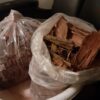 Mexican Mimosa Hostilis root bark
Price range: $205.00 through $265.00
Mexican Mimosa Hostilis root bark
Price range: $205.00 through $265.00 -
 Mimosa Hostilis Root Bark Vine Microdosing Drops
Price range: $87.00 through $295.00
Mimosa Hostilis Root Bark Vine Microdosing Drops
Price range: $87.00 through $295.00 -
 Ayahuasca Mimosa Hostilis Powder — B. Caapi Powder| Mimosa Tenuiflora Bark Flakes
Price range: $347.00 through $597.00
Ayahuasca Mimosa Hostilis Powder — B. Caapi Powder| Mimosa Tenuiflora Bark Flakes
Price range: $347.00 through $597.00 -
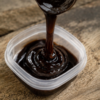 Ayahuasca extract brew Chacruna resin| Banisteriopsis Caapi resin paste
Price range: $297.00 through $497.00
Ayahuasca extract brew Chacruna resin| Banisteriopsis Caapi resin paste
Price range: $297.00 through $497.00