
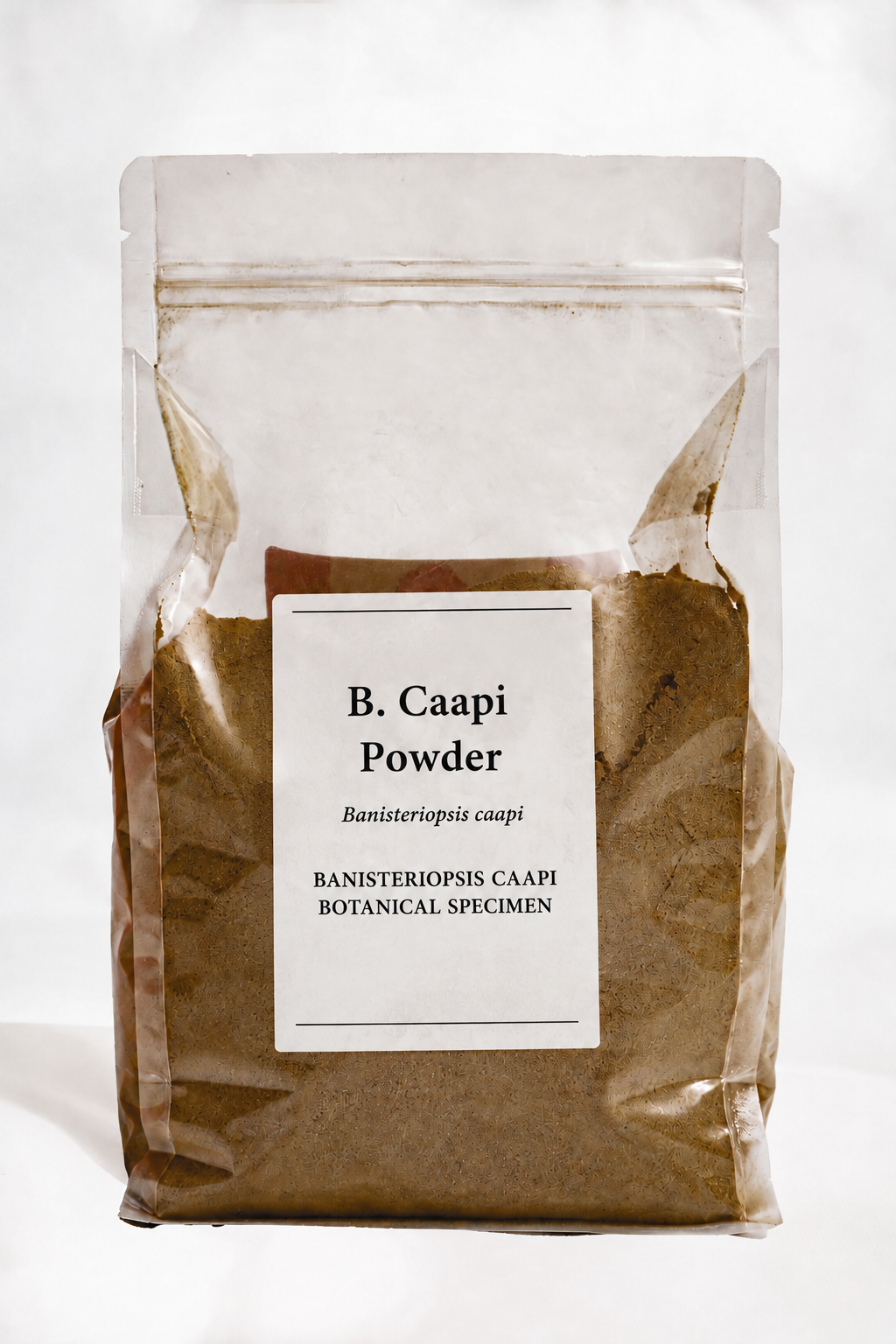
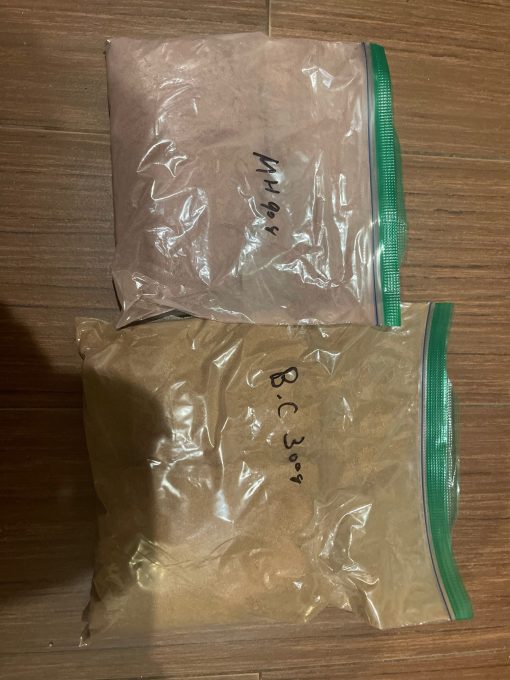
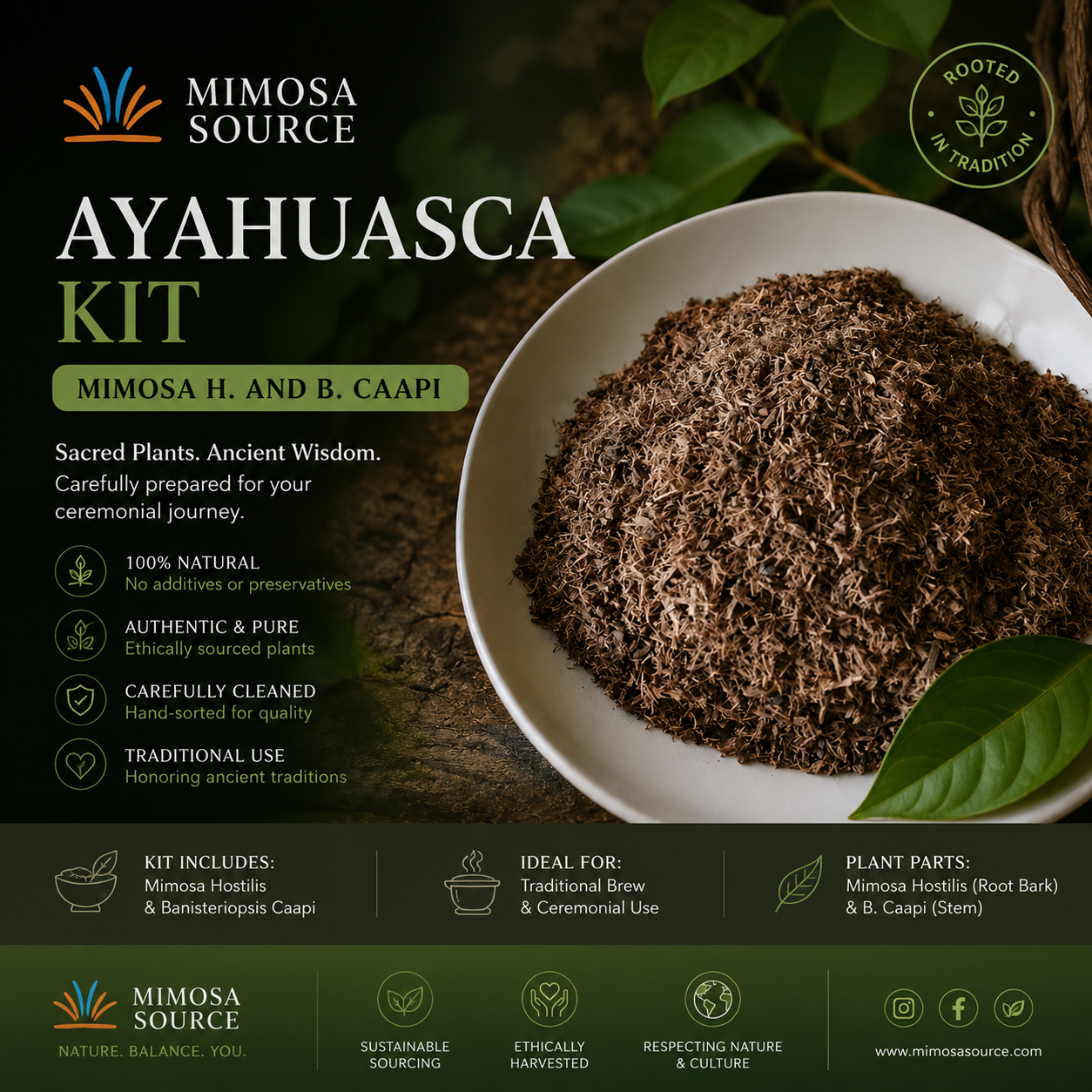
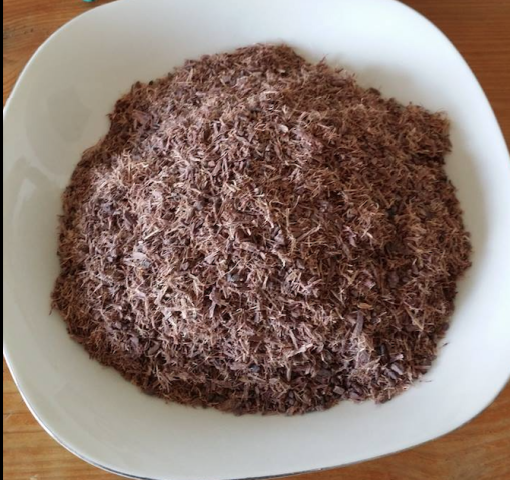
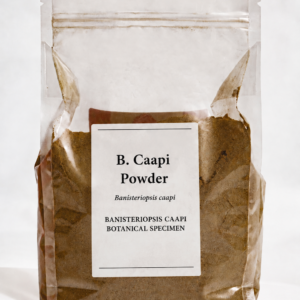
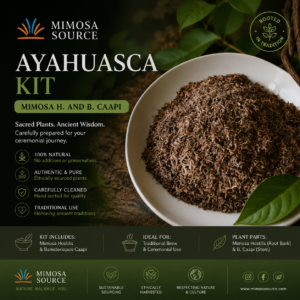
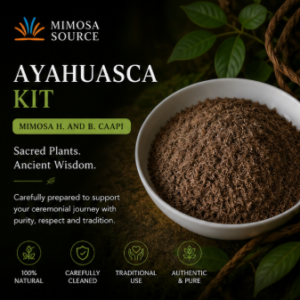
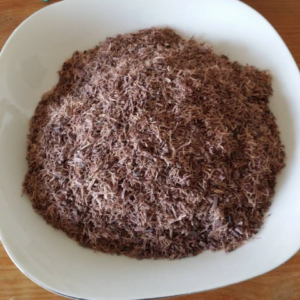
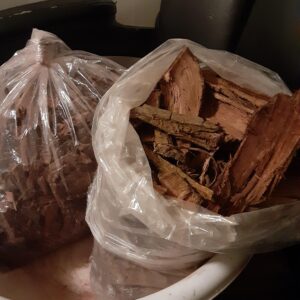
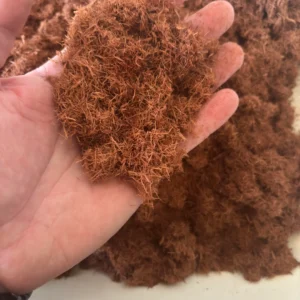
Ayahuasca Mimosa Hostilis Powder — B. Caapi Powder| Mimosa Tenuiflora Bark Flakes
Price range: $347.00 through $597.00
We will mail you the ayahuasca B. Caapi powder and Mimosa Hostilis root powder containing potent DMT Dimethyltryptamine to any country in the world. Its stems contain beta-carboline alkaloids (harmine, harmaline, and tetrahydroharmine) that function as MAO inhibitors, making the combination with DMT-containing plants pharmacologically active.
Payment are accepted by Bitcoins and major credit cards. After we receive your payment, it’ll take us 1-3 days to prepare for shipment. You can expect to receive your package anywhere from 3-14 days depending on the distance you are from us.
After brewing, the liquid should be keep in the fridge and should last for a couple of years. Check below for brewing instruction. Also, all our packaging is completely discreet. Currency is in US dollars.
- Ayahuasca vine
- Banisteriopsis caapi vine
- Ayahuasca
- Yajé
- Daime
- Vegetal
- Caapi
- Harmine
- Harmaline
- Tetrahydroharmine
- Banisteriopsis caapi extract
- Banisteriopsis caapi varieties
Mimosa Hostilis Root Powder & Banisteriopsis Caapi Powder
Explore two botanicals with a significant history in ethnobotanical research and Amazonian plant traditions: Mimosa Hostilis root powder and Banisteriopsis caapi powder.
Mimosa hostilis, commonly discussed under the botanical name Mimosa tenuiflora, is a woody plant belonging to the Fabaceae family and is native to parts of South America. Its bark and root materials have attracted interest in botanical, phytochemical and ethnobotanical research.
Banisteriopsis caapi, commonly known as caapi or the ayahuasca vine, is a climbing plant in the Malpighiaceae family. It has a longstanding cultural history and is frequently examined in scientific literature concerning Amazonian ethnobotany and natural plant chemistry.
Our botanical materials are presented for responsible research and educational purposes. Natural plant products can vary in colour, texture, particle size and composition according to botanical origin, growing conditions, harvesting, processing and storage.
What Is Mimosa Hostilis Root Powder?
Mimosa hostilis root powder is a processed botanical material derived from the root of Mimosa hostilis, a plant also frequently referenced as Mimosa tenuiflora.
The species has been studied from several perspectives, including plant taxonomy, traditional applications, phytochemistry and ethnobotany. Researchers may encounter different names for the plant depending on the geographical region and scientific source.
What Is Banisteriopsis Caapi Powder?
Banisteriopsis caapi is an Amazonian climbing vine traditionally associated with various Indigenous and religious plant traditions.
The plant is particularly notable in scientific research because it naturally contains beta-carboline alkaloids, including compounds commonly identified as harmine, harmaline and tetrahydroharmine.
These naturally occurring constituents contribute to the botanical and pharmacological interest surrounding caapi.
Mimosa Hostilis and Banisteriopsis Caapi
Although Mimosa hostilis and Banisteriopsis caapi are sometimes discussed together in ethnobotanical literature, they are botanically distinct plants.
Mimosa hostilis
- Botanical family: Fabaceae
- Growth form: Woody plant
- Common references: Mimosa hostilis, Mimosa tenuiflora
- Research areas: Ethnobotany, plant chemistry and botanical studies
Banisteriopsis caapi
- Botanical family: Malpighiaceae
- Growth form: Climbing vine
- Common references: Caapi, ayahuasca vine
- Research areas: Ethnobotany and natural-product chemistry
Understanding these differences is useful when researching botanical materials derived from either species.
Botanical Characteristics and Natural Variation
Plant powders and bark-derived botanical materials are not necessarily uniform from one batch to another.
Variations can result from:
- Botanical origin
- Growing environment
- Plant maturity
- Harvesting practices
- Processing techniques
- Storage conditions
- Natural differences between plant batches
For research purposes, product characteristics should therefore be evaluated alongside available botanical information and documentation.
Ethnobotanical Research
Interest in Amazonian botanicals has expanded considerably through academic research into traditional plant knowledge, taxonomy, natural-product chemistry and cultural practices.
Mimosa hostilis and Banisteriopsis caapi are both subjects of ethnobotanical interest, although their botanical identities, chemical profiles and traditional contexts differ.
Responsible research should distinguish established scientific information from commercial terminology and should avoid assuming that traditional names necessarily represent standardized botanical varieties.
Responsible Botanical Research
These materials may contain biologically active natural compounds. They should therefore not be treated as ordinary food products or general-purpose herbal supplements.
Regulations concerning particular plants, extracts and naturally occurring compounds can differ significantly between countries and jurisdictions. Customers and researchers are responsible for checking applicable laws before purchasing, importing, possessing or handling botanical materials.
No preparation, dosing or consumption instructions are provided.
Frequently Asked Questions
What is Mimosa Hostilis root powder?
Mimosa Hostilis root powder is a botanical powder derived from the root material of Mimosa hostilis, a plant also commonly discussed as Mimosa tenuiflora.
What is Banisteriopsis caapi powder?
Banisteriopsis caapi powder is botanical material derived from the Banisteriopsis caapi vine, an Amazonian plant with extensive ethnobotanical and phytochemical research interest.
Are Mimosa Hostilis and Banisteriopsis Caapi the same plant?
No. They are different species belonging to different botanical families. Mimosa hostilis belongs to the Fabaceae family, while Banisteriopsis caapi belongs to the Malpighiaceae family.
Why is Banisteriopsis caapi studied?
Researchers are interested in B. caapi because of its ethnobotanical history and naturally occurring beta-carboline alkaloids, including harmine, harmaline and tetrahydroharmine.
Is Mimosa hostilis also called Mimosa tenuiflora?
Mimosa tenuiflora is a botanical name commonly associated with the plant historically known as Mimosa hostilis. Taxonomic naming can vary between sources, so researchers should consult authoritative botanical references.
Are these botanical materials legal everywhere?
No. Laws and regulations concerning particular botanical species, extracts and naturally occurring compounds vary by jurisdiction. Always verify the rules applicable to your location before purchasing or importing botanical materials.
Are these products intended for consumption?
No. The products are presented as botanical materials for responsible research and educational interest rather than as food, dietary supplements or products accompanied by preparation or consumption instructions.
| Packages | Extra Size Kit, Solo Size Kit |
|---|
Be the first to review “Ayahuasca Mimosa Hostilis Powder — B. Caapi Powder| Mimosa Tenuiflora Bark Flakes”
Related products
Reviews
There are no reviews yet.