
Mexican Mimosa Hostilis root bark
Price range: $205.00 through $265.00
Mimosa Root Bark Powder is a finely processed botanical material derived from the root bark of Mimosa species. It is supplied in powdered form and may be suitable for permitted botanical research, educational projects, and natural-material applications. Product specifications, origin, and applicable regulations should be reviewed before purchase.
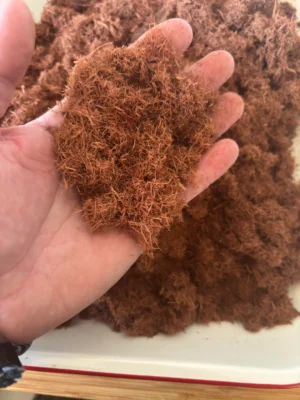
Mexican Mimosa Hostilis, botanically associated with Mimosa tenuiflora, is native to regions of southern Mexico, particularly Chiapas and Oaxaca. The plant is known by several regional names, including Tepescohuite, Jurema, and Cabrero, reflecting its long-standing presence in local botanical and ethnobotanical traditions.
Mexican Mimosa Hostilis Root Bark: Premium Quality Benefits
Looking for Mexican Mimosa Hostilis root bark with clear provenance and consistent quality? Our carefully prepared MHRB offers a convenient botanical material for customers interested in natural dyeing, traditional crafts, educational projects, and botanical research.
Also known as MHRB and historically referenced as Mimosa tenuiflora, Mimosa hostilis is a distinctive plant associated with Mexico and other regions of the Americas. Our Mexican-origin root bark is selected with attention to botanical identity, condition, preparation, and storage.
Premium Mexican Mimosa Hostilis Root Bark
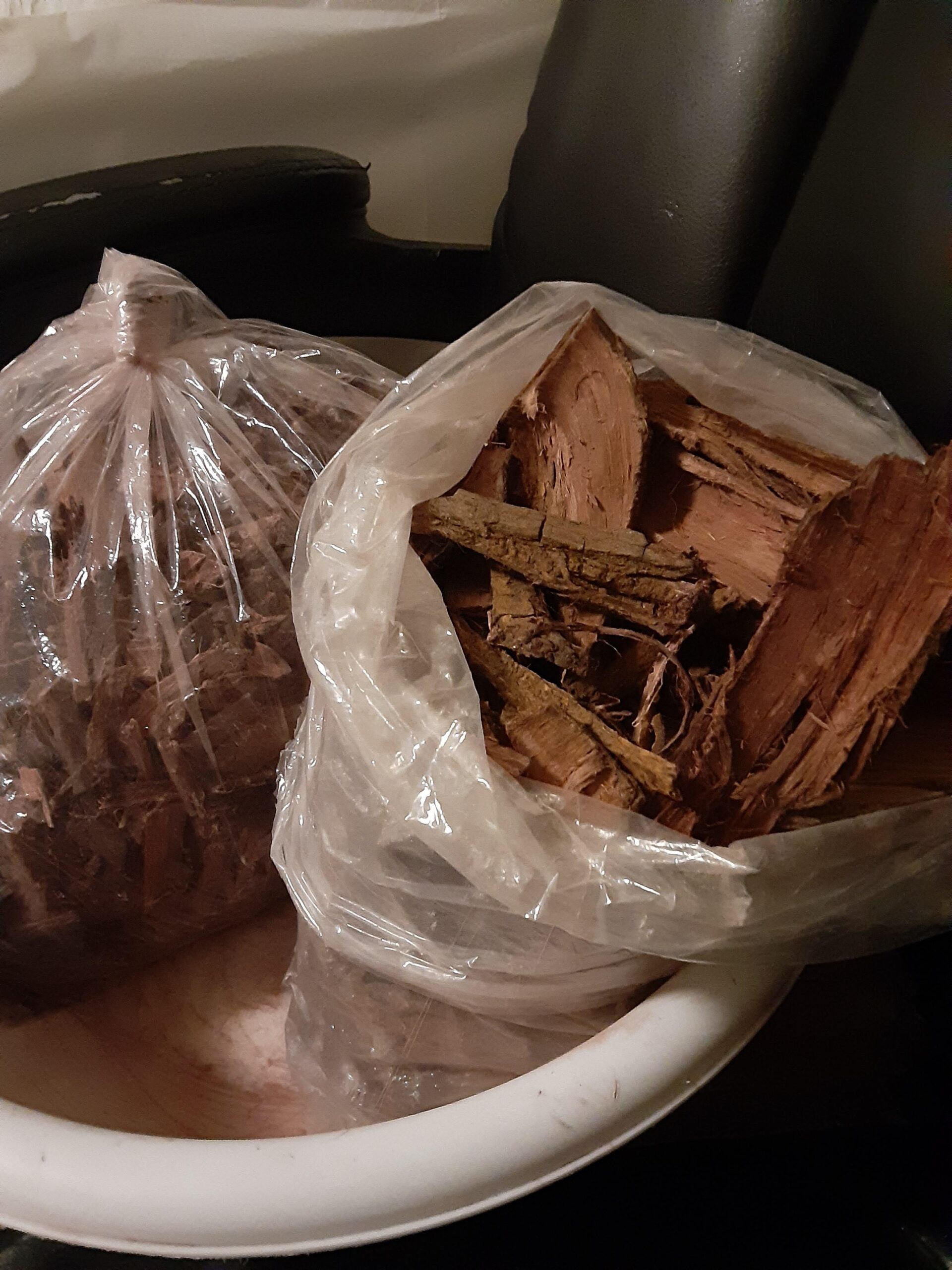
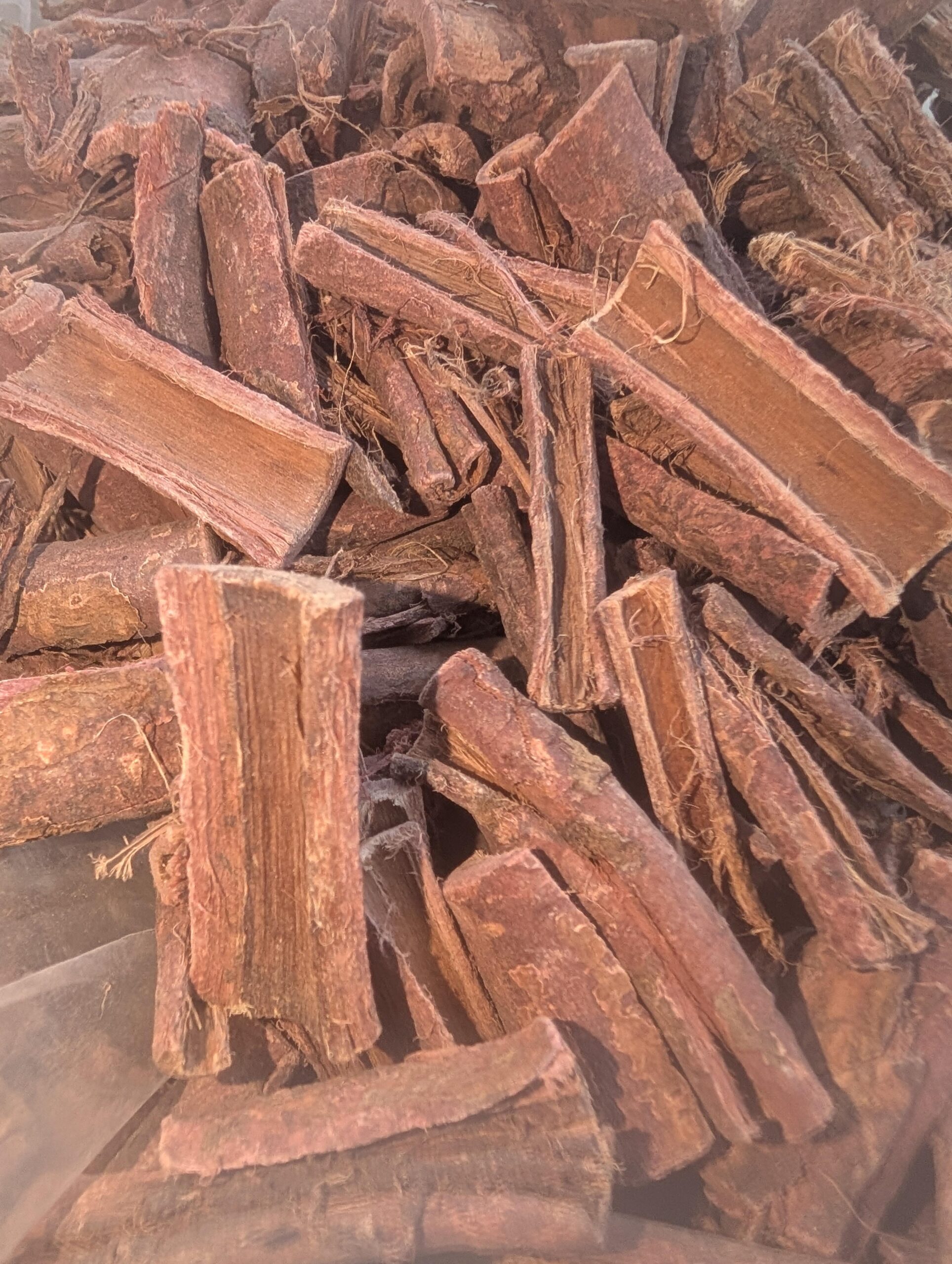
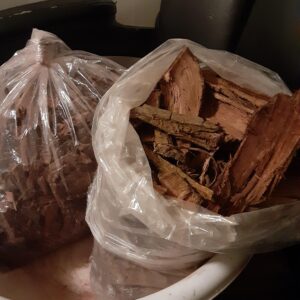
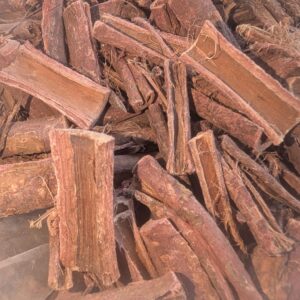
Quality begins with the source. Our Mexican Mimosa Hostilis root bark is supplied as whole bark pieces rather than highly processed material.
The bark is carefully cleaned, air-dried, sorted, and stored under appropriate conditions to help preserve its natural characteristics. Whole pieces provide a less-processed botanical format that is particularly useful for customers who want to inspect the material before using it for permitted craft, educational, or research applications.
Reasons to Choose Mexican MHRB
Verified Mexican Origin
Our MHRB is sourced as Mexican-origin Mimosa Hostilis root bark, providing customers with clear provenance when geographical origin is an important consideration.
Whole Bark Pieces
Whole or larger bark pieces retain their natural structure and allow customers to visually examine the botanical material. This format is suitable for educational displays, botanical collections, natural-dye projects, and permitted research applications.
Carefully Dried
Proper drying and storage are important for maintaining the physical condition of botanical materials. Our bark is prepared and stored with attention to cleanliness and moisture control.
Natural Pigment Characteristics
Mimosa bark has a long history of interest among natural-dye enthusiasts because of its naturally occurring tannins and pigments. Depending on the material and application, it can be explored for traditional textile and craft coloration.
Results may vary according to the material, substrate, preparation method, and other project conditions.
Suitable for Creative Projects
Mexican MHRB can be of interest to artists and craftspeople working with natural materials. Potential permitted applications include natural-dye experimentation, textile projects, decorative craft work, educational demonstrations, and botanical displays.
Useful for Botanical Research
Mimosa hostilis is also of interest within ethnobotanical and botanical research. Researchers may examine the plant’s taxonomy, geographic distribution, traditional history, physical characteristics, and naturally occurring constituents.
Convenient Availability
For customers in the United States & Australia , domestic availability can provide a more convenient purchasing experience compared with international sourcing. Product availability, shipping options, and delivery times may vary by destination.
Mexican MHRB Bark Pieces
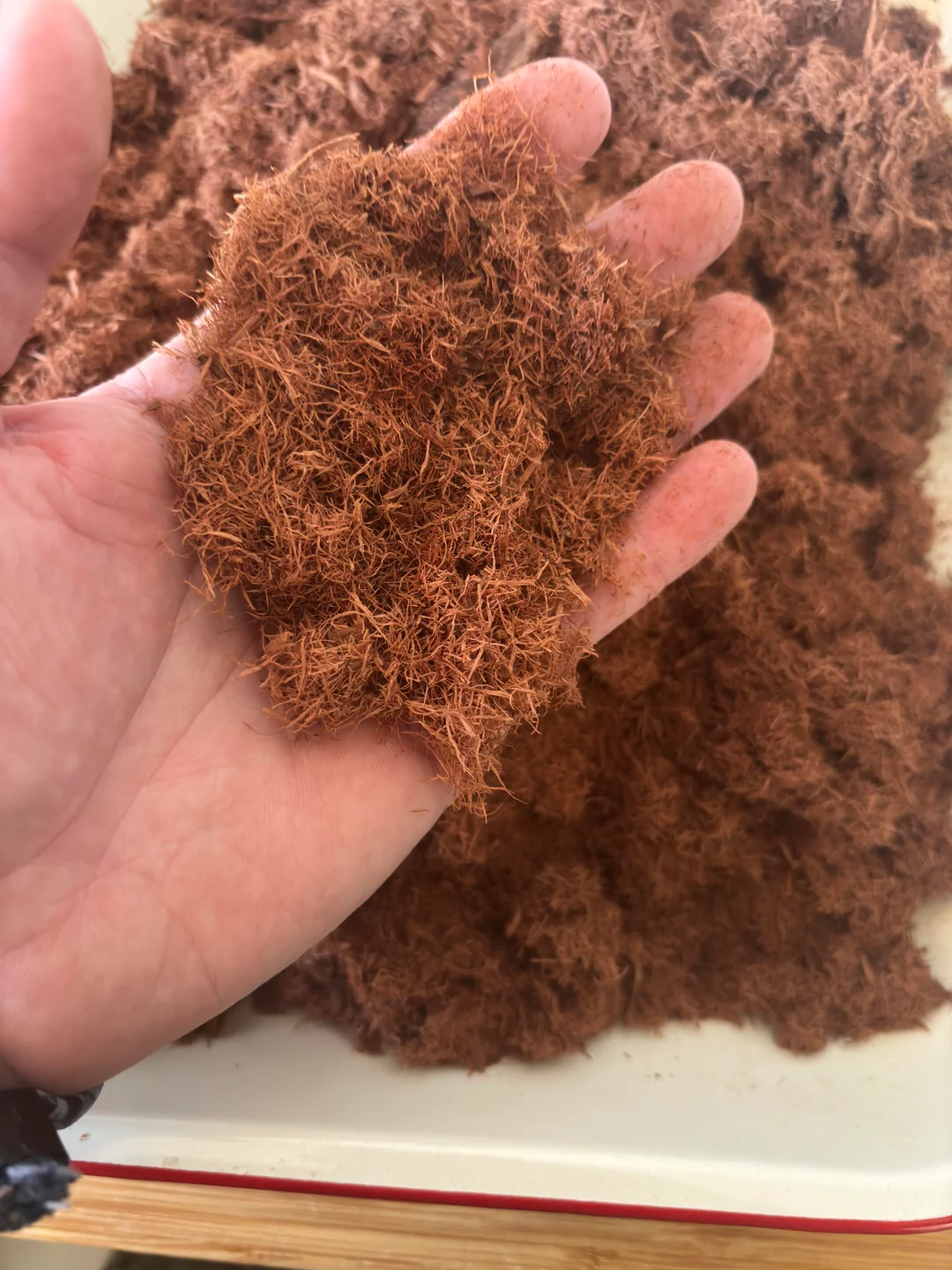
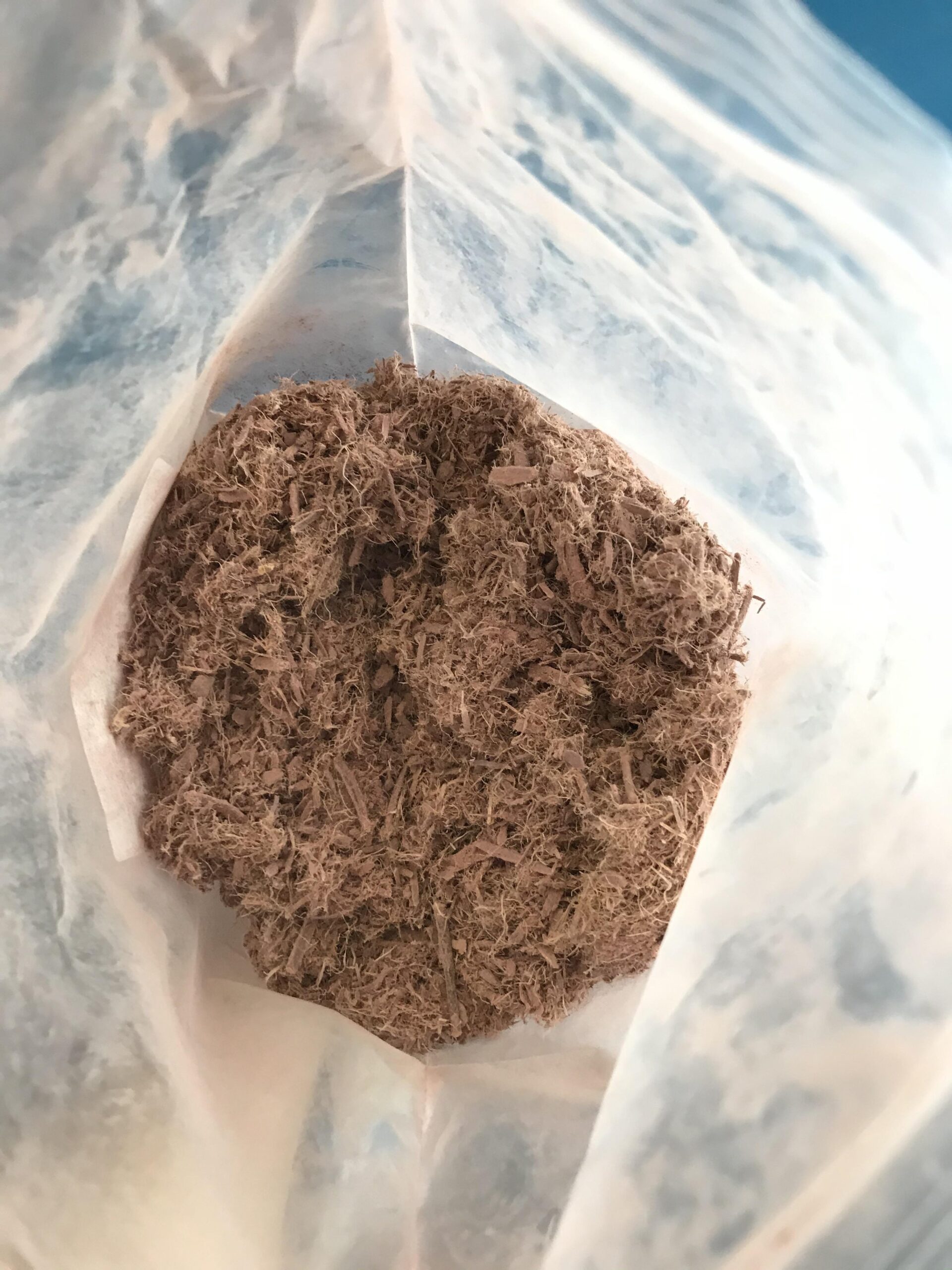
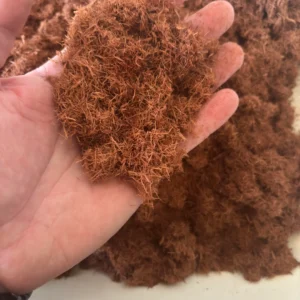
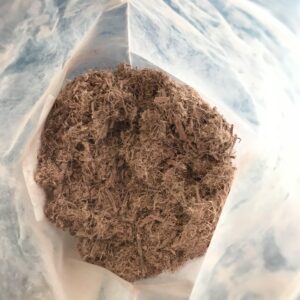
Our Mimosa Hostilis root bark pieces are supplied in a natural, minimally processed format. The appearance, size, texture, and coloration of individual pieces may naturally vary because botanical materials are not manufactured to identical specifications.
This makes each batch a representation of the underlying plant material rather than a standardized synthetic product.
What Is MHRB?
MHRB commonly stands for Mimosa Hostilis Root Bark, a term frequently encountered in botanical and ethnobotanical discussions.
The plant has also been associated with the scientific name Mimosa tenuiflora. When researching MHRB, customers may therefore encounter both Mimosa hostilis and Mimosa tenuiflora in different sources.
Understanding these naming conventions can make it easier to compare botanical literature and product information.
Quality, Storage and Product Care
Botanical materials should be kept in a clean, dry environment and protected from excessive moisture, heat, and direct sunlight.
Because natural plant material can vary between harvests, customers should expect reasonable differences in color, texture, aroma, and piece size from one batch to another.
For long-term storage, follow the product’s specific storage instructions and keep the material securely packaged.
Why Choose Our Mexican Mimosa Hostilis Root Bark?
When purchasing botanical materials, provenance and product presentation matter. Our approach focuses on providing:
- Mexican-origin botanical material
- Whole and larger bark pieces
- Careful drying and handling
- Clear product information
- Suitable packaging and storage
- Reliable customer service
- USA shipping options where available
We aim to make it easier for customers to identify the botanical material they are purchasing and understand its characteristics before ordering.
Mexican Mimosa Hostilis Root Bark for Botanical and Craft Applications
Whether you are an artist exploring natural pigments, an educator preparing a botanical display, or a researcher studying ethnobotanical materials, Mexican Mimosa Hostilis root bark offers an interesting example of a plant with a distinctive botanical and cultural history.
Its natural origin, traditional associations, and physical characteristics have made Mimosa hostilis a subject of continuing interest.
Responsible Purchasing
Mimosa hostilis and materials derived from the plant may be subject to different laws and restrictions depending on the country, state, intended use, and chemical constituents involved.
Customers are responsible for checking applicable laws and regulations before purchasing or possessing botanical materials. This product information does not constitute medical advice and does not recommend the use of MHRB for psychoactive purposes.
Order Mexican MHRB With Confidence
If you are looking for Mexican Mimosa Hostilis root bark, choose a product with clear botanical identification, transparent origin information, careful preparation, and dependable customer support.
Explore the available MHRB options and select the format that best matches your legitimate botanical, educational, research, or natural-craft requirements.
| Weight | 1 Kiligram, 2Kilogram |
|---|
Be the first to review “Mexican Mimosa Hostilis root bark”
Related products
Reviews
There are no reviews yet.